 how-to
7 Signs of Periodontal Disease in Dogs to Watch For
Last Updated: November 1, 2026
Quick Summary
Persistent bad breath, inflamed gums, visible tartar, and changes in eating behavior can be warning signs of dental disease in dogs. These symptoms can have different causes, so a veterinarian should examine your dog to determine whether periodontal disease or another condition is present.
- Persistent bad breath can be an early warning sign of dental disease, although it may have other causes.
- Red, swollen, or bleeding gums may indicate inflammation and should be evaluated by a veterinarian.
- Tartar is hardened plaque that may appear as yellow or brown deposits on a dog's teeth.
- Loose teeth and facial swelling are not wait-and-see symptoms; call your vet the same day.
- Do not attempt to scrape tartar from your dog's teeth at home; consult your veterinarian about appropriate dental care.
Table of Contents
- 7 Signs of Periodontal Disease in Dogs
- Dog Dental Disease Symptoms You Might Miss
- Veterinary Dental Care for Dogs: What to Expect
- Frequently Asked Questions
7 Signs of Periodontal Disease in Dogs
Periodontal disease affects the tissues surrounding and supporting a dog's teeth. It can begin with inflammation of the gums and progress to damage beneath the gum line. A veterinarian can evaluate your dog's oral health and determine whether dental treatment is necessary.
For additional information about periodontal disease, dental examinations, and professional veterinary dental care, visit the American Veterinary Dental College's animal owner resources.
For more information about recognizing dental problems and maintaining your dog's oral health, visit the American Veterinary Medical Association's pet dental care guide.
Below are seven signs of periodontal disease in dogs worth knowing, plus what a veterinary dental visit involves.
Sign 1: Persistent Bad Breath
Persistent bad breath, also called halitosis, can be a warning sign of dental disease in dogs. Bacteria associated with plaque buildup and gum inflammation may contribute to unpleasant odors. However, bad breath can also have other causes, so it should not be used alone to diagnose periodontal disease.
If your dog develops persistent or unusually strong bad breath, schedule a veterinary examination to determine the cause and discuss appropriate dental care.
Sign 2: Red, Swollen, or Bleeding Gums
Red, swollen, or bleeding gums can be signs of inflammation, including gingivitis. Healthy gum color varies among dogs, and some naturally have dark pigmentation. Changes such as new redness, swelling, or bleeding around the teeth may indicate a dental concern.
If you notice these changes, schedule a veterinary examination. A veterinarian can assess your dog's gums and teeth, identify the cause, and recommend appropriate care.
Sign 3: Yellow or Brown Tartar Along the Gum Line
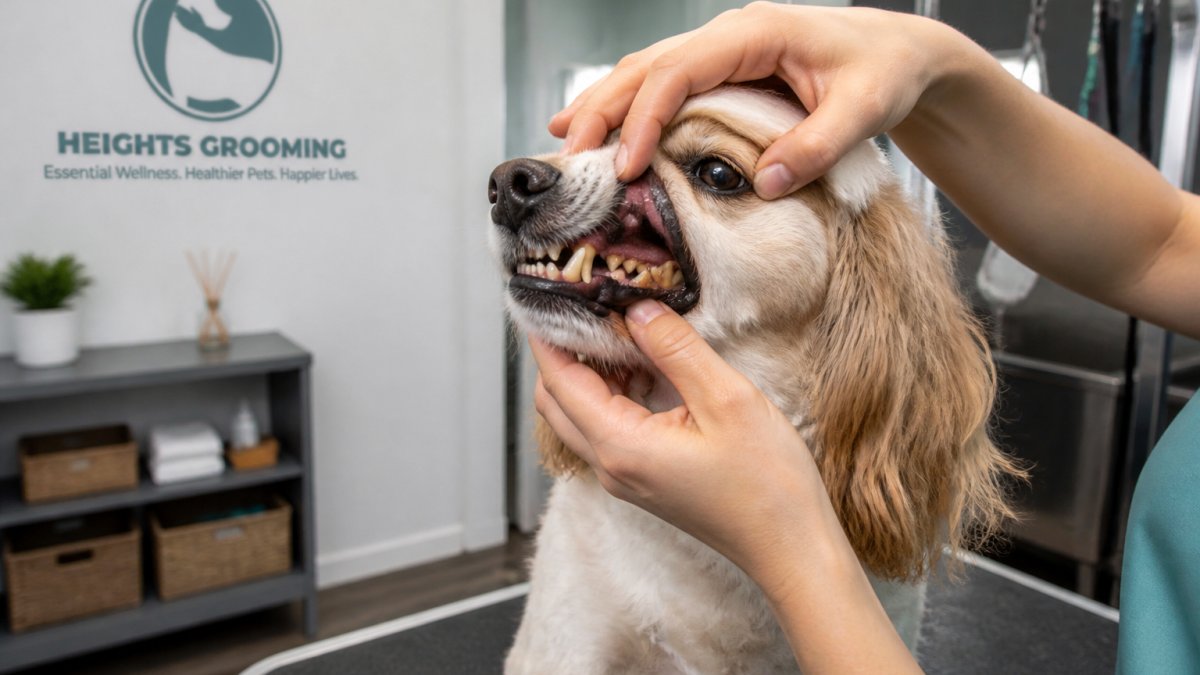
Tartar, also called dental calculus, is hardened plaque that can appear as yellow, tan, or brown deposits on a dog's teeth, particularly near the gum line. Although visible tartar may indicate a need for professional dental care, it does not reveal the full condition of the gums and supporting tissues beneath the gum line. A veterinarian can evaluate your dog's oral health and determine whether further examination or treatment is necessary.
Sign 4: Pawing at the Mouth or Head Shaking
Dogs experiencing oral discomfort may paw at their mouths, rub their faces against objects, or become sensitive when their heads are touched. However, these behaviors can also have other causes, including ear irritation or other medical conditions. If your dog repeatedly displays these behaviors, a veterinarian can help determine the underlying cause.
Sign 5: Drooling or Changes in Saliva
Some dogs naturally drool more than others, but a noticeable change in drooling may indicate discomfort or an underlying health concern. Excessive saliva, blood-tinged drool, or difficulty swallowing can be associated with oral problems, although other medical conditions may cause similar symptoms. If you notice unusual or persistent changes in your dog's saliva, contact your veterinarian for guidance.
Sign 6: Trouble Chewing or Changes in Eating
Dogs experiencing dental discomfort may chew on one side of their mouths, drop food while eating, eat more slowly, or show less interest in food. However, changes in eating habits can also result from other medical conditions. If your dog develops difficulty chewing or a noticeable change in appetite, contact your veterinarian to determine the cause and appropriate care.
Sign 7: Loose or Missing Teeth and Facial Swelling
Loose teeth in adult dogs and unexplained swelling around the jaw or face can indicate serious dental or other medical problems. Advanced periodontal disease may damage the tissues supporting the teeth, while dental infections can sometimes cause facial swelling. These symptoms require prompt veterinary attention to determine the cause and appropriate treatment.
Dog Dental Disease Symptoms You Might Miss
Some dogs with dental disease may show subtle changes in behavior rather than obvious signs of pain. They may become reluctant to chew certain toys, resist having their mouths touched, or change their eating habits. However, dental disease can also be present without noticeable symptoms. Regular veterinary dental examinations are important because problems beneath the gum line may not be visible to pet parents.
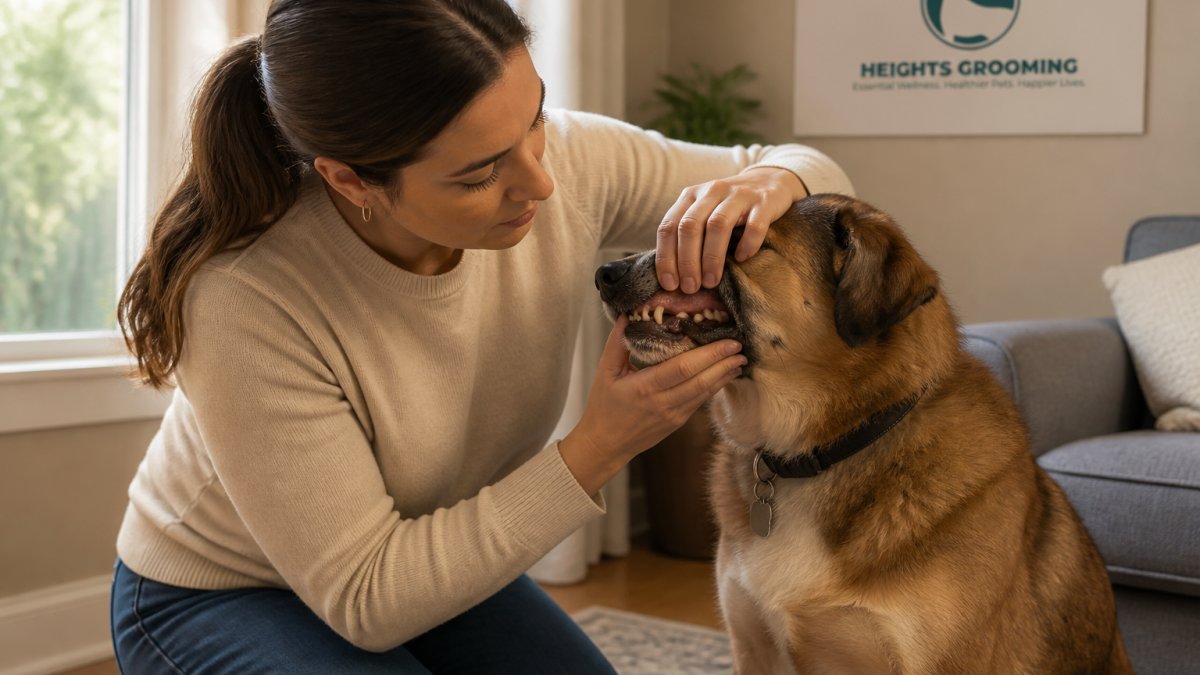
What a home mouth check can and cannot tell you. If your dog is comfortable with gentle handling, you may briefly lift the lip to look for visible changes such as tartar buildup, gum redness, or swelling. Never force your dog's mouth open or continue if your dog shows discomfort. A home observation cannot replace a veterinary dental examination, which may reveal problems that are not visible above the gum line.
Risk factors worth knowing. Small breeds and flat-faced breeds can have crowded teeth in a smaller jaw, which may make plaque harder to clear.
Veterinary Dental Care for Dogs: What to Expect
A veterinary dental examination helps identify problems affecting a dog's teeth, gums, and supporting tissues. Depending on the findings, a veterinarian may recommend professional dental cleaning under anesthesia, dental X-rays, or additional treatment. Anesthesia allows the veterinary team to examine and clean areas beneath the gum line that cannot be adequately evaluated during a routine visual examination.
What happens at the visit, roughly:
- A physical exam and a look at the mouth, teeth, and gums
- A conversation about what you have noticed at home
- Dental X-rays in many cases, to see the tooth roots and bone
Dental prevention and routine care. Maintaining your dog's oral health involves regular veterinary dental examinations and appropriate home dental care. Your veterinarian can recommend suitable dental hygiene practices based on your dog's individual needs. Professional grooming does not replace veterinary dental examinations, cleanings, or treatment.
How Heights Grooming Supports Your Pet's Overall Care. At Heights Grooming, our team focuses on safe, compassionate grooming and pet-parent education. During grooming appointments, we may notice visible concerns around a dog's mouth and communicate those observations to the pet parent. We do not diagnose or treat dental disease. If your dog is recovering from a dental procedure, follow your veterinarian's recommendations about when routine grooming can safely resume.
Watch out: Do not attempt to scrape tartar from your dog's teeth using sharp tools. Improper scraping can injure the gums or teeth. Professional dental cleaning should be performed by a veterinarian.
Frequently Asked Questions
Can bad breath be a sign of dental disease in dogs?
Yes. Persistent bad breath can be a warning sign of dental disease in dogs, but it may also have other causes. Plaque buildup, gum inflammation, and other oral health problems can contribute to unpleasant odors. If your dog has persistent or unusually strong bad breath, consult your veterinarian for an examination and appropriate recommendations.
Can a groomer diagnose dental disease in a dog?
No. Groomers are not veterinarians and cannot diagnose periodontal disease or any other medical condition. At Heights Grooming, our team may notice visible concerns such as tartar, red gums, or a loose tooth and share them with you, but only a veterinarian can diagnose and treat dental disease. We encourage you to follow up with your vet for any concerns we raise.
What should I do if my dog stops eating normally?
A sudden change in appetite or difficulty chewing can have many causes, including oral pain, and it deserves prompt attention. Contact your veterinarian for an examination rather than waiting to see if it resolves. Do not try home dental treatments or medications without veterinary guidance, and do not assume the problem is only dental until your vet has evaluated your dog.